The Influence of Influencer Marketing on Social Media in the Philippines
Understanding the Impact of Influencer Marketing in the Philippines
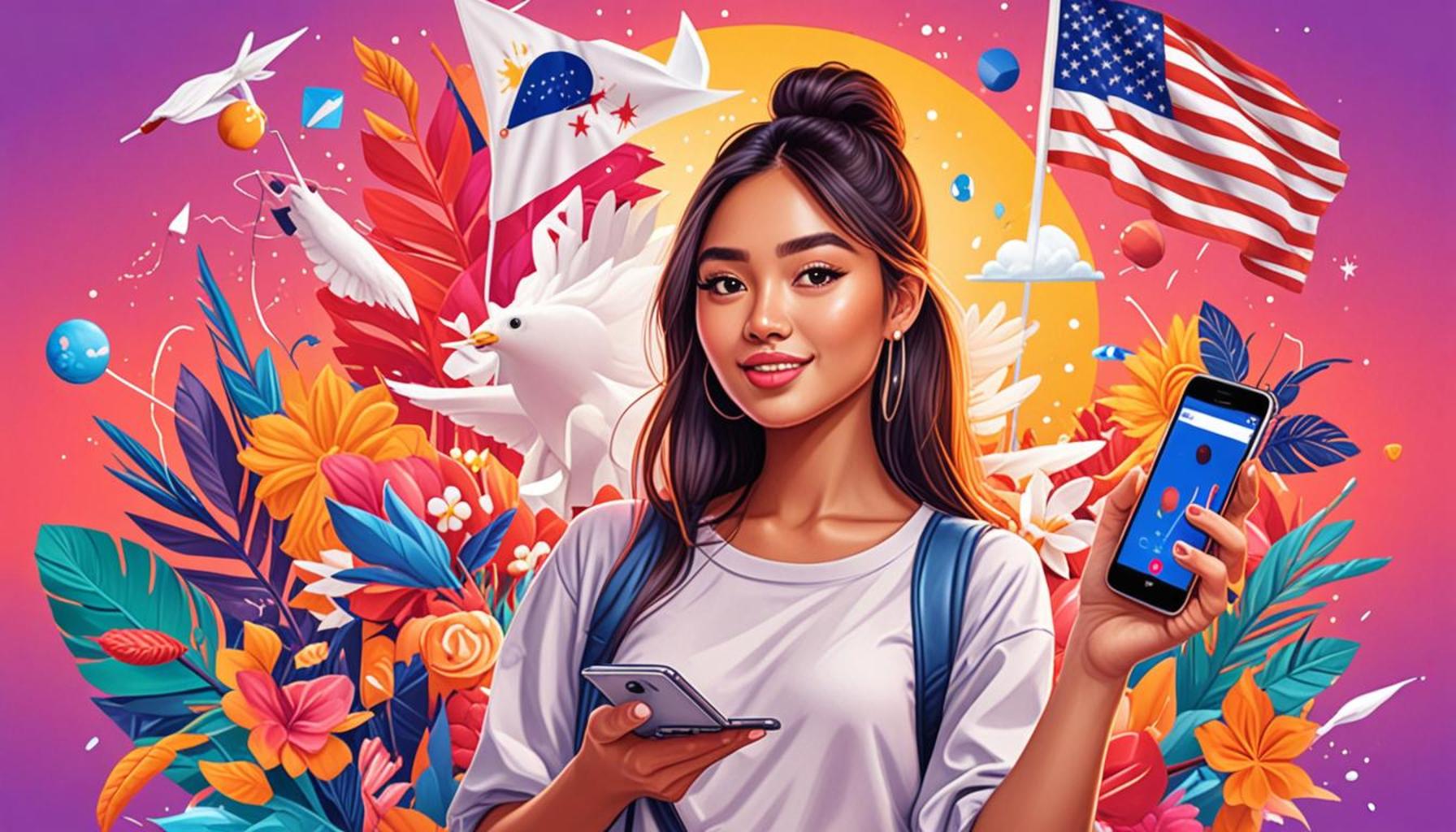
In recent years, influencer marketing has emerged as a dynamic force reshaping the landscape of social media in the Philippines. This trend has significantly altered the way brands communicate with their target audiences, leading to an increased reliance on trusted voices within various digital platforms.
Here are some key factors driving this phenomenon:
- Growing social media usage: Over 80 million Filipinos are active on platforms like Facebook, Instagram, and TikTok, which have become integral parts of daily life for millions. This widespread adoption allows brands to reach potential customers directly where they spend considerable time.
- Authenticity and relatability: Consumers increasingly seek out authentic recommendations from influencers they trust, rather than brands themselves. Surveys indicate that 61% of Filipinos feel influencers provide honest opinions that resonate more than traditional advertisements.
- Local flair: Filipino influencers often incorporate cultural elements and local dialects into their content, enhancing relatability. For instance, influencers may showcase local products or highlight regional festivals, which evoke a sense of pride and deeper connection among their audiences.
Moreover, influencer marketing in the Philippines thrives due to the diverse range of influencers. These individuals cover various niches, such as:
- Beauty and fashion: Influencers like Anne Curtis and Patricia Prieto have built massive followings by sharing beauty tips and showcasing local fashion brands, impacting purchasing decisions significantly.
- Travel and lifestyle: With places like Palawan and Boracay becoming popular tourist destinations, travel influencers such as Riva Quenery inspire wanderlust while promoting travel-related brands.
- Food and beverage: The local foodie community leverages social media to share their culinary adventures, making food influencers like Erwan Heussaff key players in promoting dining experiences and products.
- Fitness and wellness: A growing consciousness around health has made fitness influencers, such as Danica Sotto-Pingris, important in motivating their followers towards a healthier lifestyle.
As brands leverage these personalities to enhance their reach, they must also understand the intricate relationship between influencer marketing and social media in the Philippines. The impact of influencer-driven campaigns not only reshapes consumer behavior but also fosters brand loyalty in this digital-first environment. Brands that align with the right influencers can cultivate deeper relationships with their consumers, ultimately leading to higher engagement and sales.
In conclusion, the rise of influencer marketing offers an exciting avenue for brands to connect with Filipinos in more meaningful ways. It’s a trend that continues to evolve, and its effectiveness points to a future where marketing is less about traditional advertising and more about personalized, peer-driven endorsements.
ADDITIONAL INSIGHTS: Expand your understanding here
The Dynamics of Influencer Engagement
As influencer marketing becomes an indelible part of the social media landscape in the Philippines, it is crucial to understand how this engagement unfolds between brands, influencers, and consumers. The Philippine market showcases a unique blend of characteristics that shape this ongoing influence, driven by cultural values, social dynamics, and technological advances.
To grasp the trends in influencer marketing, it’s essential to consider the preferences and behaviors of Filipino consumers. Numerous studies indicate that consumers are increasingly turning to social media not just for entertainment, but as a primary source of information and recommendations for purchases. This shift highlights the potent role influencers play in steering consumer behavior.
Key Factors Behind Influencer Relationships
The following factors delineate the growing influence of these personalities:
- Trust and Credibility: Influencers often build trust through their authentic interactions with followers. Brands that collaborate with influencers known for transparency and credibility can foster stronger emotional connections with their target audience.
- Niche Communities: Influencers create communities around specific interests. These niches—ranging from tech gadgets to sustainable living—allow brands to tap into highly engaged audiences that are receptive to targeted messaging.
- Visual Appeal: Platforms like Instagram and TikTok emphasize visual content, where influencers excel in showcasing products in an aspirational yet relatable manner. This visual storytelling is an effective tool for brands looking to elevate their products to a landscape filled with consumer choices.
The power of influencer engagement is notably evident during local events or product launches. For instance, when key influencers bring their followers behind-the-scenes of a brand event or participant in campaigns that resonate culturally, they create unique touchpoints with their audience. These moments foster a shared experience, which is especially crucial in the Philippine context, where community and familial bonds hold great significance.
Moreover, the influence of local dialect and culture cannot be overlooked. Influencers who incorporate regional languages and cultural nuances into their content have shown a marked increase in engagement rates. This strategy not only appeals to local pride but also helps brands resonate more deeply with their consumers. The use of Filipino dialects allows influencers to create content that feels personal and culturally relevant.
As brands begin to recognize these dynamics, the challenge lies in seamlessly integrating influencer partnerships into broader marketing strategies. It’s essential to tailor campaigns that are not only appealing but also authentic to the influencer’s voice, enhancing the likelihood of successful consumer conversion.
The convergence of these factors makes influencer marketing not just a passing trend in the Philippines but a fundamental aspect of how brands engage with today’s digitally-savvy consumers. Understanding the dynamics at play will enable brands to effectively harness the full potential of this marketing approach.
| Advantage | Details |
|---|---|
| Increased Engagement | Influencers often have devoted followers who trust their opinions, leading to higher engagement rates in marketing campaigns. |
| Targeted Marketing | Brands can collaborate with influencers who already reach their target demographic, ensuring that their message resonates with the right audience. |
In the Philippines, influencer marketing has gained notable traction due to the rapid growth of social media platforms, notably Instagram, Facebook, and TikTok. As a result, brands that engage with influencers can tap into a vast consumer base that is increasingly influenced by digital content. Another remarkable aspect of influencer marketing is the authenticity provided through personal narratives. Many influencers share real-life experiences with products, which cultivates a sense of trust among their followers. This authenticity can be critical in persuading consumers in an era where skepticism towards traditional advertising is prevalent. Furthermore, influencer collaborations can result in innovative campaigns that harness creativity, often producing shareable content that elevates brand visibility. This opens opportunities for companies to seamlessly integrate their products into everyday conversations, thereby amplifying their presence in the highly competitive Philippine market. Each of these elements makes influencer marketing a potent tool for brands aiming to broaden their reach and solidify connections with potential consumers, inviting them to explore products in a fresh, engaging manner.
ADDITIONAL INSIGHTS: Expand your understanding here
The Economic Impact of Influencer Marketing
The phenomenon of influencer marketing in the Philippines does not merely affect consumer behavior; it also wields significant economic influence. With an increasing number of brands allocating substantial portions of their marketing budgets to influencer collaborations, the influx of funds is reshaping the marketing landscape and providing an economic boost to various sectors.
In recent years, the influencer marketing industry has seen explosive growth, with estimates stating that the Philippine market could reach a substantial value in the billions of pesos. This rapid expansion not only benefits brands but also propels the careers of local influencers who have transformed social media into a viable profession. Many influencers are leveraging platforms like TikTok and YouTube to build their personal brands, subsequently attracting lucrative partnerships that turn passion into profit.
Cultural Relevancy and Commercial Appeal
Influencers play a distinctive role in bridging the gap between culture and commerce. They often act as the modern-day “cultural curators,” identifying trends that resonate well with local audiences. For instance, during the pandemic, influencers showcased various Filipino-made products, promoting local artisans and businesses that were hit hard by the economic downturn. Their authentic endorsements helped boost sales and raise awareness of Filipino craftsmanship, thus fostering a sense of national pride.
Moreover, the integration of cultural touchpoints into marketing campaigns has proven to enhance their effectiveness. Campaigns featuring traditional foods, celebrations, or even local festivals engage audiences on a deeper emotional level. For example, a food brand collaborating with a well-known influencer to recreate a traditional Filipino dish can result in a surge of interest and engagement. This strategy not only drives sales but also preserves cultural heritage by showcasing authentic Filipino cuisine.
Measuring the Success of Influencer Marketing
As influencer marketing continues to evolve, measuring its success is becoming increasingly sophisticated. Brands are employing advanced analytics tools to assess the effectiveness of campaigns through key performance indicators (KPIs) such as engagement rates, reach, and conversion metrics. The utilization of tracking links and promo codes allows brands to quantify the financial impact of their influencer partnerships.
According to recent studies, over 50% of marketers in the Philippines reported that they make use of influencer marketing analytics to refine their strategies. This data-driven approach enables brands to make informed decisions, optimizing future campaigns for greater effectiveness. Additionally, metrics derived from social media interactions can inform brands in crafting better-targeted marketing strategies in a dynamic landscape.
The Power of Micro-Influencers
While many brands gravitate toward big-name influencers with extensive followings, the rise of micro-influencers—individuals with smaller yet highly engaged audiences—is emerging as a promising trend. In the Philippine context, micro-influencers often command higher engagement rates due to their perceived authenticity and relatability. This makes them an attractive option for brands seeking to reach niche markets without the hefty price tag associated with larger influencers.
Micro-influencers typically have closer ties to their followers, often resulting in higher trust levels. For instance, a beauty brand partnering with a local makeup enthusiast has the potential to yield impressive returns on investment. With ample opportunities for personalized interactions, these collaborations result in more genuine recommendations, resonating well with Filipino consumers keen on authenticity.
The convergence of these factors—economic impact, cultural relevancy, analytics, and the emergence of micro-influencers—underscores the critical role influencer marketing plays in shaping social media dynamics in the Philippines. As more brands recognize the significance of these elements, the landscape promises to evolve further, paving the way for innovative connections between influencers, brands, and consumers.
LEARN MORE: This related article may interest you
Conclusion
The landscape of influencer marketing in the Philippines is not simply a passing trend; it represents a powerful fusion of economic impact, cultural engagement, and social connection. As brands increasingly recognize the vital role that influencers play in capturing the attention of consumers, we witness a dynamic shift in marketing strategies. This shift allows local influencers to thrive, turning their passion for creativity and storytelling into sustainable careers.
The success of influencer marketing lies in its authenticity, particularly when leveraging the voices of micro-influencers who resonate deeply with niche audiences. This unique approach enhances brand perception while also preserving and promoting Filipino culture, as influencers bring attention to local products, traditions, and craftsmanship.
Moreover, with advancements in technology and analytics, the ability to measure the effectiveness of influencer campaigns is more refined than ever. Brands now employ comprehensive metrics, allowing them to optimize their strategies for greater engagement and return on investment. This evolution not only drives sales but fosters a sense of community and connection among consumers, brands, and influencers alike.
As the digital realm continues to expand, the future of influencer marketing in the Philippines is undoubtedly bright. It challenges marketers to think creatively and authentically while also encouraging influencers to further innovate their content strategies. Ultimately, this transformative relationship between influencers, brands, and audiences is set to reshape the way products are marketed, consumed, and appreciated over the coming years.