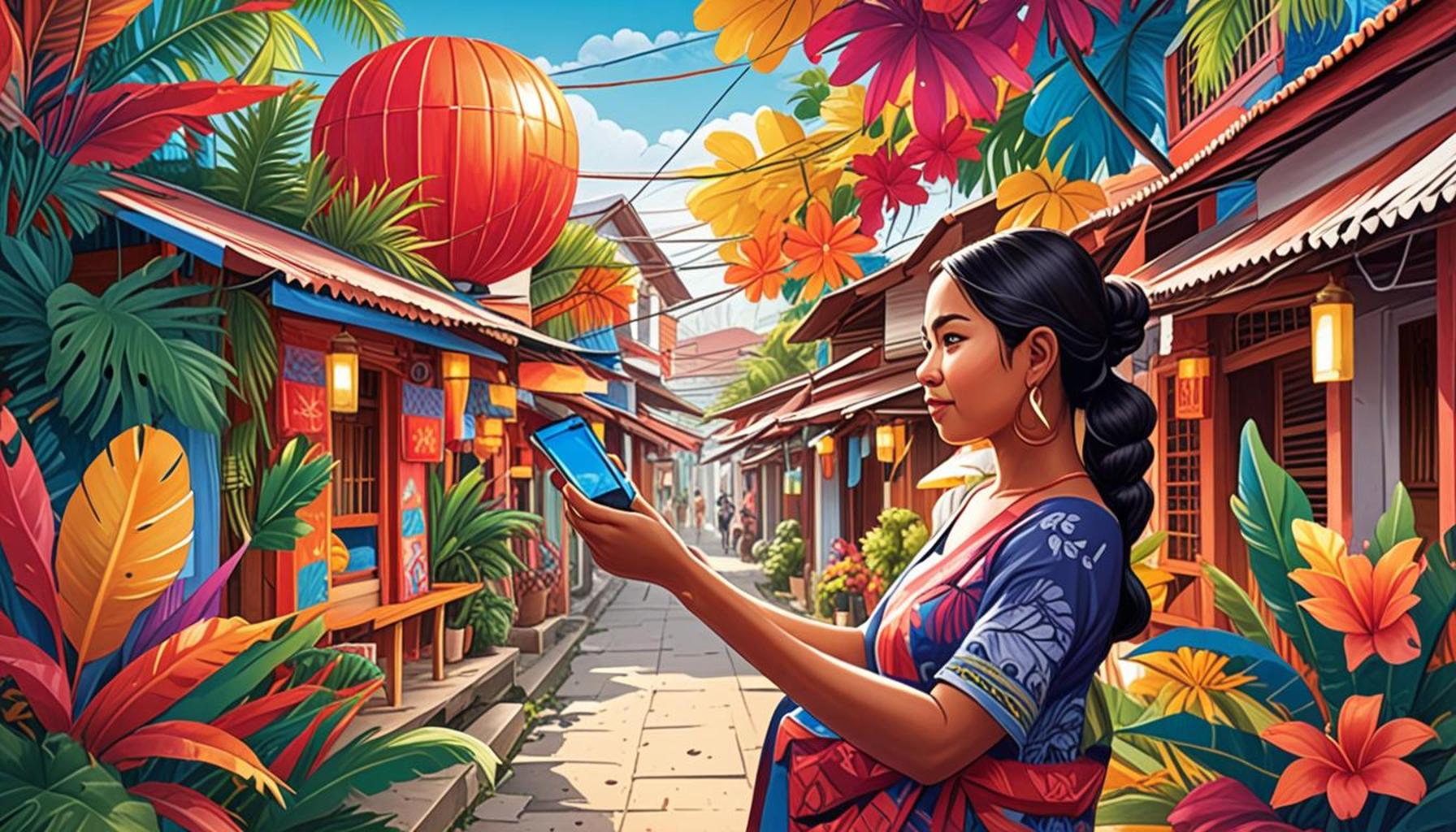
The Importance of Narrative in Content Strategy for Audience Engagement in the Philippines

The Importance of Narrative in Capturing Attention
In an era where consumers are inundated with information from various platforms, the use of strong narratives has become indispensable for engaging audiences effectively. Nowhere is this more evident than in the Philippines, a nation with a rich tapestry of storytelling traditions that span generations. From folk tales shared by grandparents to contemporary films and television dramas, narratives are integral to Filipino culture. Consequently, marketers and content creators can tap into this cultural affinity to significantly enhance their content strategy.
Understanding the Key Elements of Storytelling
Engaging storytelling is rooted in its core components, which resonate profoundly with Filipino audiences:
- Emotional Connection: Filipinos treasure stories that evoke emotions such as joy, nostalgia, and empathy. For instance, a local brand that highlights family ties and values in its advertising can create a heartwarming connection with viewers, making them feel seen and understood.
- Cultural Relevance: Culturally infused narratives that reflect Filipino customs and values not only attract attention but deepen engagement. A campaign that revolves around local festivals, like the colorful Sinulog or Ati-Atihan, can resonate with audiences by reflecting their traditions and communal pride.
- Brand Identity: A cohesive narrative allows brands to carve out their unique identities. For example, a startup that utilizes personal stories from local artisans can effectively showcase their commitment to sustainable practices while fostering a sense of community and belonging.
Filipinos’ Fondness for Stories
The Philippines has a long-standing tradition of storytelling that transcends generations. From the epic tales of “Biag ni Lam-ang” to the modern-day allure of telenovelas, Filipinos have always been drawn to narratives that capture the human experience. This cultural mosaic provides content creators a wellspring of inspiration to craft messages that not only inform but also entertain and inspire. For instance, brands that share real-life success stories of local entrepreneurs can motivate audiences while reinforcing their brand message.
Narrative in the Digital Age
As the digital landscape continues to evolve, the role of storytelling in content strategies is only becoming more pronounced. In a saturated market, weaving together engaging narratives into campaigns enables brands to stand out. For instance, social media platforms have become a stage for brands to share stories that foster community interaction and feedback, building a loyal following over time. Through user-generated content, companies can amplify authentic stories that resonate with their audience, further emphasizing the emotional and cultural connection.
In the upcoming sections, we will delve deeper into practical strategies for harnessing the power of narrative in content strategies that captivate Filipino audiences. By exploring innovative approaches and successful case studies, marketers can learn to enrich their storytelling toolkit, ultimately leading to stronger engagement and enduring customer loyalty.
SEE ALSO: Click here to read another article
Crafting Compelling Narratives that Resonate
To successfully harness the power of narrative in content strategy, it is essential to understand how storytelling can create a lasting impact on the audience. In the Philippines, where a vibrant mix of languages and cultures exists, the art of storytelling can be a potent tool for brands looking to engage with consumers on a deeper emotional level. The intricate relationship between narrative and sentiment can drive customer loyalty and brand recognition, ultimately influencing purchasing decisions.
Authenticity and Relatability
One of the most compelling aspects of narrative is its ability to convey authenticity. Filipino consumers today are increasingly discerning and value brands that present themselves as genuine and relatable. Marketers can capitalize on this trend by incorporating authentic storytelling elements that speak to the everyday life experiences of their audience. By sharing stories that reflect real challenges faced by Filipinos, such as overcoming financial struggles or celebrating personal milestones, brands can foster a genuine connection with their audience.
Social Impact and Community Building
Narratives can also play a crucial role in promoting social impact and community engagement. In the age of social media, where many Filipinos interact with content daily, narratives that focus on community values and collective aspirations can significantly elevate audience engagement. Consider campaigns that feature local heroes, or initiatives aimed at uplifting marginalized communities; such narratives not only inspire but also rally communities around a shared purpose. This fosters a sense of belonging, vital for creating a loyal customer base.
Strategies for Effective Storytelling
To craft narratives that resonate, brands should focus on several key strategies:
- Know Your Audience: Conduct thorough research to understand the preferences and values of the target demographic. Tailoring the narrative to reflect these insights ensures that the message reaches its intended audience.
- Leverage Local Dialects: Incorporating local languages and dialects can enhance relatability and make narratives more engaging. Brands that use Filipino languages in their advertising create a sense of familiarity and warmth that resonates with consumers.
- Use Visual Storytelling: Combining visuals with narratives can amplify the emotional impact of a story. Infographics, videos, and social media posts can bring narratives to life, making them more accessible and shareable across platforms.
As we dive deeper into the relationship between narrative and audience engagement, it becomes clear that effectively incorporating storytelling into content strategy is not merely a trend; it is a fundamental strategy for brands operating in the dynamic landscape of the Philippines. By embracing the principles of authenticity, social relevance, and a strong connection to cultural values, marketers can create compelling narratives that resonate, engage, and inspire their audiences.
The Role of Storytelling in Captivating Audiences
The Filipino audience thrives on narrative engagement, significantly influencing their perception of content. In a culture rich with oral traditions, the use of storytelling in content strategy can evoke emotions and create a profound connection with the audience. Narratives, which encapsulate cultural values and personal experiences, resonate more deeply than mere facts and statistics, making them essential in effectively capturing attention.Effective content strategies that incorporate compelling narratives can break through the noise in a saturated media landscape. By weaving local context and relatable stories into content, brands offer a unique perspective that speaks to the identity of the Filipino people. This shift from transactional to relational communication fosters a sense of community and brand loyalty.Moreover, with increasing access to digital platforms, the demand for narrative-driven content has surged. Audiences in the Philippines are not just passive consumers; they are looking for stories that reflect their realities. They want to see themselves represented in the narratives presented by brands, which can lead to higher engagement rates. Content that resonates not only engages readers but also encourages sharing and interaction, thereby expanding its reach.
Understanding Your Audience Through Narrative
Crafting content through narratives requires a deep understanding of the target audience. Utilizing audience personas can help marketers identify what stories will resonate the most with their consumers. For example, tailoring narratives that highlight community values, resilience, and shared experiences can significantly enhance engagement, making the content more relatable and appealing.Another strategy is to incorporate user-generated stories, allowing audiences to become part of the narrative. This democratization of content not only empowers consumers but also enriches the narrative landscape, providing diverse perspectives that can further attract interest and create a vibrant dialogue.Incorporating visual storytelling elements—such as videos, infographics, and images—can also elevate the narrative experience. These elements reinforce the emotional context of the story, making it more impactful and memorable. Ultimately, the emphasis should be on creating a conversation rather than delivering a monologue, thereby fostering a deeper connection with the Filipino audience.
| Advantage | Description |
|---|---|
| Cultural Resonance | Stories that reflect local culture engage Filipino audiences more effectively. |
| Emotional Connectivity | Narratives create an emotional bond, making brands memorable and relatable. |
The integration of narrative into content strategies is a powerful tool for engaging audiences in the Philippines. By understanding the cultural significance of storytelling and its impact on connection and engagement, brands can develop a compelling voice that resonates deeply with their consumers.
LEARN MORE: This related article may interest you
Emotional Triggers and Story Arcs
Another vital component of effective narrative in content strategy is the utilization of emotional triggers that can captivate and motivate the audience. In the highly competitive Philippine market, brands must tell stories that evoke feelings, be it happiness, nostalgia, or empathy. Studies indicate that content that prompts an emotional response is shared more often, leading to a wider reach. Marketers can explore themes such as ‘Bayanihan’—the Filipino spirit of communal unity—or the triumphs and struggles of the everyday Filipino to create emotional narratives that resonate deeply within the audience.
The Hero’s Journey in Local Storytelling
Drawing on the classic Hero’s Journey narrative structure can be particularly effective in the Philippines. This storytelling approach involves a hero embarking on an adventure, facing challenges, and ultimately returning transformed. Brands can embody the hero by sharing not only their own journeys but also featuring real-life stories that reflect the experiences of Filipinos who have overcome obstacles. For example, a local business could showcase how they began in their garage with a dream and turned it into a successful enterprise, emphasizing the values of resilience and hard work. This method fosters relatability and inspires consumers, making them feel like part of the brand’s journey.
Integrating Values into Narratives
Narratives that align with the core values of Filipino culture can reinforce a brand’s identity and make it more appealing to the audience. Themes such as family, friendship, and community are essential in the Filipino context. By crafting stories that reflect these values, brands like Jollibee and San Miguel have successfully connected with their audiences. Campaigns that focus on family-oriented celebrations, such as birthdays or Christmas, tap into the Filipino tradition of family gatherings, creating a sense of nostalgia and warmth. These narratives not only invoke shared experiences but also position the brand as a vital part of these cherished moments.
Engagement through Interactive Storytelling
In the digital age, engagement can be enhanced through interactive storytelling. Filipino audiences are active consumers of content across multiple platforms; hence, brands should consider incorporating interactive elements into their storytelling strategies. This could include social media campaigns that encourage user-generated content, such as contests highlighting personal narratives or local experiences. For instance, a beauty brand could run a campaign where customers share their “beauty transformations” story, furthering engagement and encouraging participation.
Employing a range of platforms to tell stories—from television commercials showcasing mini-dramas to social media reels and even podcasts—ensures that the narrative reaches diverse audiences. Strategies should be adaptable, leveraging trending platforms and formats that appeal to varying demographics in the Philippines, from millennials to the older generations.
The interplay between deeply rooted cultural narratives and innovative modern strategies is what makes storytelling in the Philippines both an art and a science. As brands embrace this approach, they not only improve their content strategy but also reinforce their position within the Filipino consciousness, carving out a unique space that resonates with the audience’s hearts and minds.
ADDITIONAL INSIGHTS: Expand your understanding here
Conclusion: The Power of Narrative in Engaging Filipino Audiences
In a world increasingly driven by digital interaction, the significance of narrative in content strategy cannot be overstated, especially in the vibrant landscape of the Philippines. As we have explored, emotional triggers, cultural resonance, and interactive storytelling are essential elements that elevate brand narratives to create meaningful connections with audiences. The Filipino market is characterized by rich traditions, values of community, and a shared spirit—attributes that brands can leverage to craft compelling stories that not only engage but also inspire.
A successful content strategy in the Philippines emerges from the delicate balance of aligning narratives with core cultural values while incorporating innovative techniques to keep audiences engaged. By embracing stories that reflect the triumphs, struggles, and everyday realities of Filipinos, brands can establish an emotional bond that encourages loyalty and drives consumer action. Furthermore, as digital platforms continue to evolve, the challenge remains for brands to adapt their storytelling methods to suit diverse audiences across various mediums, from social media interactions to traditional advertisements.
Ultimately, the importance of narrative in content strategy extends beyond mere messaging; it shapes brand identity and cements their place within the Filipino community, promoting not only business success but also shared experiences and cultural appreciation. As brands strive to enhance their narratives, the opportunity to resonate with the hearts and minds of their audience—and make a lasting impact—becomes even more profound. In an age where connection is paramount, a strong narrative may very well be the key to unlocking deeper audience engagement and fostering brand loyalty in the Philippines.

Linda Carter
Linda Carter is a writer and financial expert specializing in personal finance and financial planning. With extensive experience helping individuals achieve financial stability and make informed decisions, Linda shares her knowledge on the our platform. Her goal is to empower readers with practical advice and strategies for financial success.