The Impact of Social Media on Consumer Behavior in the Philippines
The Impact of Social Media on Consumer Behavior in the Philippines
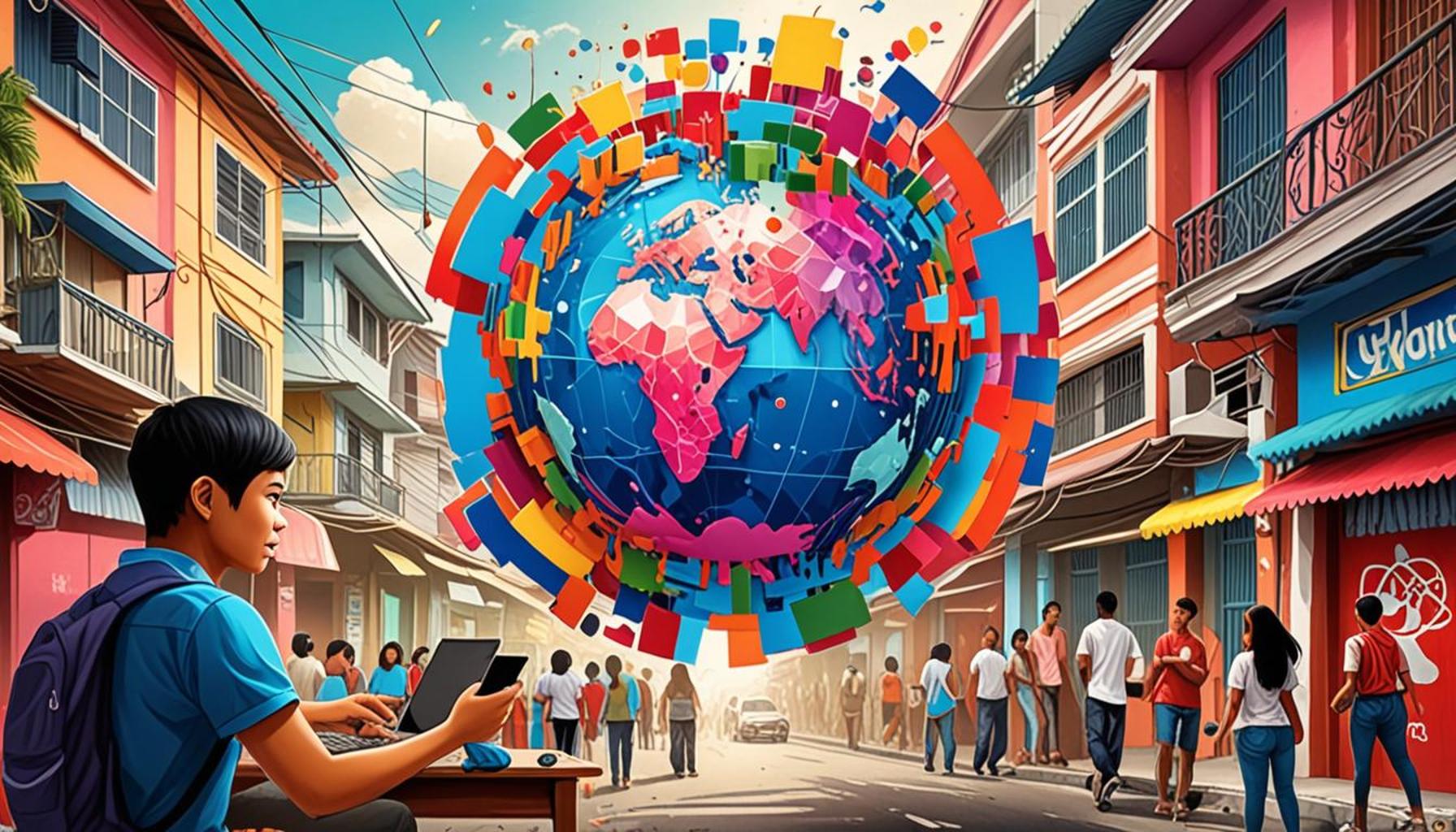
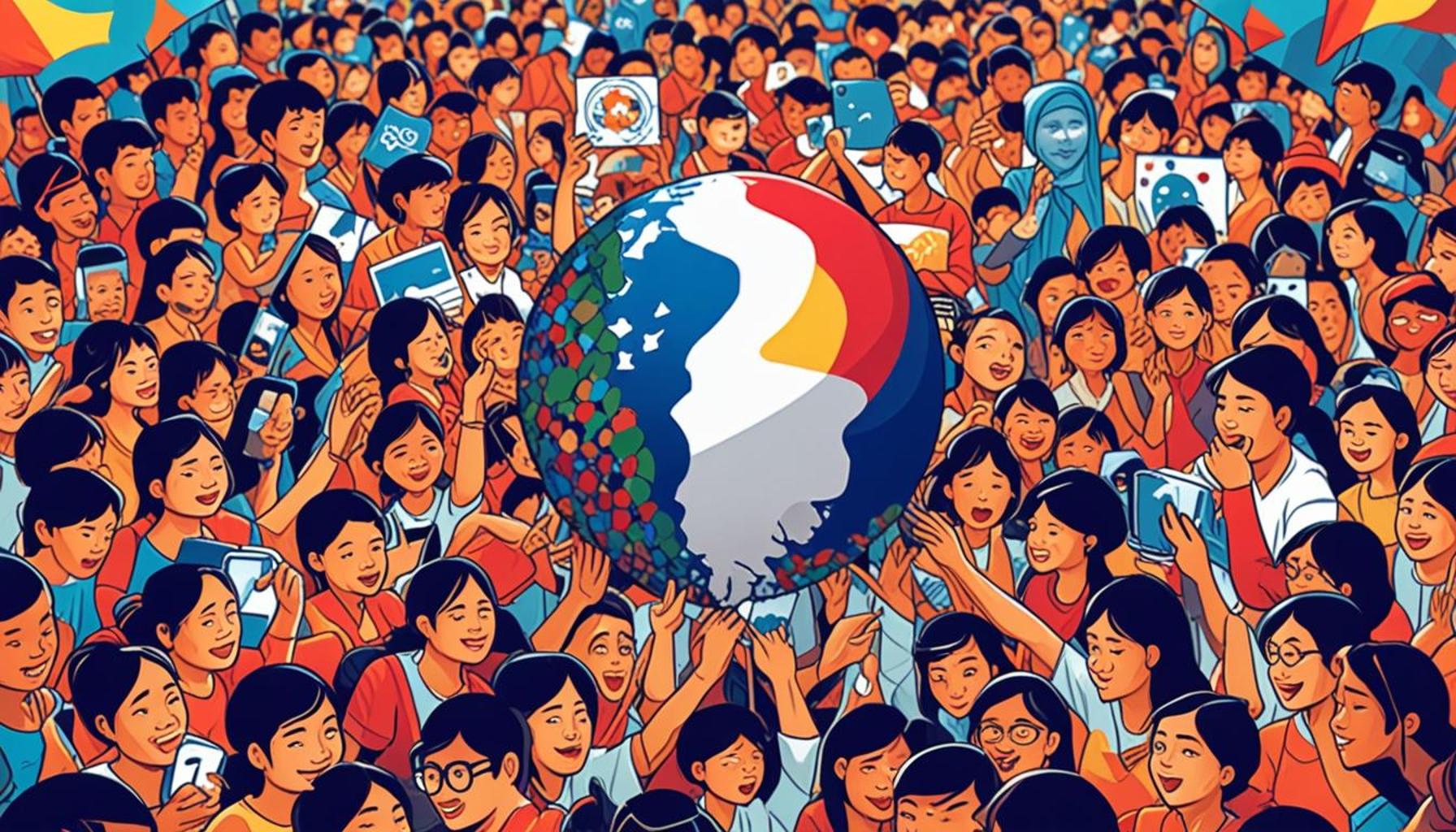
With more than 76 million active social media users, the Philippines has positioned itself as a significant player in the global social media landscape. This pervasive usage is not merely a reflection of the population’s connectivity; rather, it signifies a profound transformation in how consumers communicate, gather information, and make purchasing decisions. Major platforms such as Facebook, Instagram, and Twitter have become more than just digital hangouts—they are powerful tools that dramatically influence consumer behavior.
Product Discovery through Digital Connections
One of the most vital ways social media impacts consumer behavior is through product discovery. Many consumers now turn to their social media feeds for recommendations on new products, often seeking input from friends, family, or even influencers they trust. For instance, a trendy Filipino influencer posting about a local skincare product can drive significant engagement, persuading thousands of followers to try it out. This phenomenon highlights the shift from traditional advertising to social proof, where peer recommendations hold more weight than celebrity endorsements.
Enhancing Brand Awareness
For businesses, social media serves as a powerful avenue for brand awareness. Companies can take advantage of targeted advertising options that help them reach specific audiences. Local brands, such as those specializing in Filipino food or fashion, can create customized ads that resonate with cultural sentiments, effectively encouraging consumers to engage with their offerings. As an example, a small business selling handmade products can tap into local hashtags, making their brand visible to those in their immediate vicinity.
The Role of Consumer Reviews
Consumer reviews on social media platforms also play a critical role in shaping public perception. Many potential buyers check reviews on platforms like Facebook before making a purchase. A few negative comments can deter customers and significantly affect sales, while positive testimonials can boost a brand’s reputation. Moreover, in the Philippines, where word-of-mouth remains a strong influencer, the digital sharing of reviews enhances the reach of these testimonials.
Cultural Trends and Viral Influence
Social media is home to numerous cultural trends, often resulting in viral phenomena such as challenges or hashtags that encourage product exploration. For example, the recent surge of TikTok challenges has led many Filipinos to discover new food recipes, fashion styles, and beauty tips, often resulting in increased sales for featured brands. This type of trend not only showcases product visibility but also fosters a community engagement that can enhance loyalty.
The Shift Toward Instant Shopping
The evolution of social media into e-commerce through features such as Facebook Shops and Instagram’s shoppable posts marks a significant trend in shopping behavior. Consumers in the Philippines can now make instant purchasing decisions directly from their feeds. This innovation makes shopping more convenient, especially for the tech-savvy younger generations who appreciate seamless transactions.
As we explore these dynamics further, it becomes clear that social media is not just a tool for entertainment; it is a transformative force reshaping consumer behavior and the marketplace in the Philippines. By delving into these insights, we can better understand this fascinating intersection of technology, culture, and commerce, paving the way for future trends in digital interactions and brand loyalty.
SEE ALSO: Click here to read another article
Product Discovery and Its Influence
In the fast-paced world of consumerism, the method of product discovery has undergone a seismic shift, particularly in the Philippines. Social media platforms have emerged as primary arenas where consumers scout for the latest trends, enabling them to make informed purchasing decisions with just a few taps on their smartphones. A significant portion of the Filipino population, especially Millennials and Gen Z, frequently rely on platforms like Facebook, Instagram, and TikTok to uncover new products. In fact, studies show that over 54% of online shoppers in the Philippines have discovered new brands through social media advertisements.
The Power of Influencer Marketing
Filipinos are deeply influenced by the opinions of those they trust, which includes not just friends and family, but also social media influencers. With the rise of vlogs and lifestyle posts, Filipino influencers wield substantial power in shaping consumer behavior. Their endorsements can create a ripple effect, driving thousands of followers to try out the products they feature. This trend underscores the importance of social proof: when a trusted figure promotes a product, it creates a sense of credibility that traditional marketing often fails to achieve.
- Recommendations from Peers: Filipinos are known for valuing family and community opinions. Thus, recommendations from peers on social media platforms become critical.
- Influencer Endorsements: Local influencers can create substantial buzz around products, appealing to niche or broader markets based on their follower demographics.
- Visual Content: Platforms like Instagram and TikTok emphasize visuals, prompting consumers to engage with products in an appealing context, whether through styled shots or entertaining videos.
Targeted Advertising and Brand Awareness
Social media has revolutionized how brands enhance brand awareness. Through targeted advertising, businesses can directly reach their desired audience based on various metrics such as age, interests, and browsing habits. This feature is particularly beneficial for local brands in the Philippines, allowing them to connect with consumers on a personal level. For instance, a local food brand can launch a targeted ad campaign promoting a unique Filipino snack, highlighting cultural ties that resonate with potential consumers.
The concept of cultural relevance significantly amplifies a brand’s outreach. Businesses adopting localized marketing strategies in social media ads that reflect Filipino customs, language, and values tend to capture consumer attention more effectively. This not only fosters brand affinity but also enhances loyalty among the target audience.
The Importance of Consumer Reviews
Consumer reviews also play a pivotal role in shaping perceptions and driving sales. Many Filipino consumers actively engage with feedback posted on social media prior to making purchases. A small number of negative reviews can lead to hesitation or complete avoidance of a brand, while glowing testimonials can significantly boost the reputation and desirability of products. In an era where transparency is paramount, brands must prioritize customer satisfaction to maintain a positive online presence.
As businesses navigate this evolving landscape, the influence of social media on consumer behavior in the Philippines represents not just a trend, but a profound change in the relationship between brands and consumers. With the ongoing integration of digital platforms in everyday life, understanding these dynamics is crucial for businesses aiming to thrive in this digital-first economy.
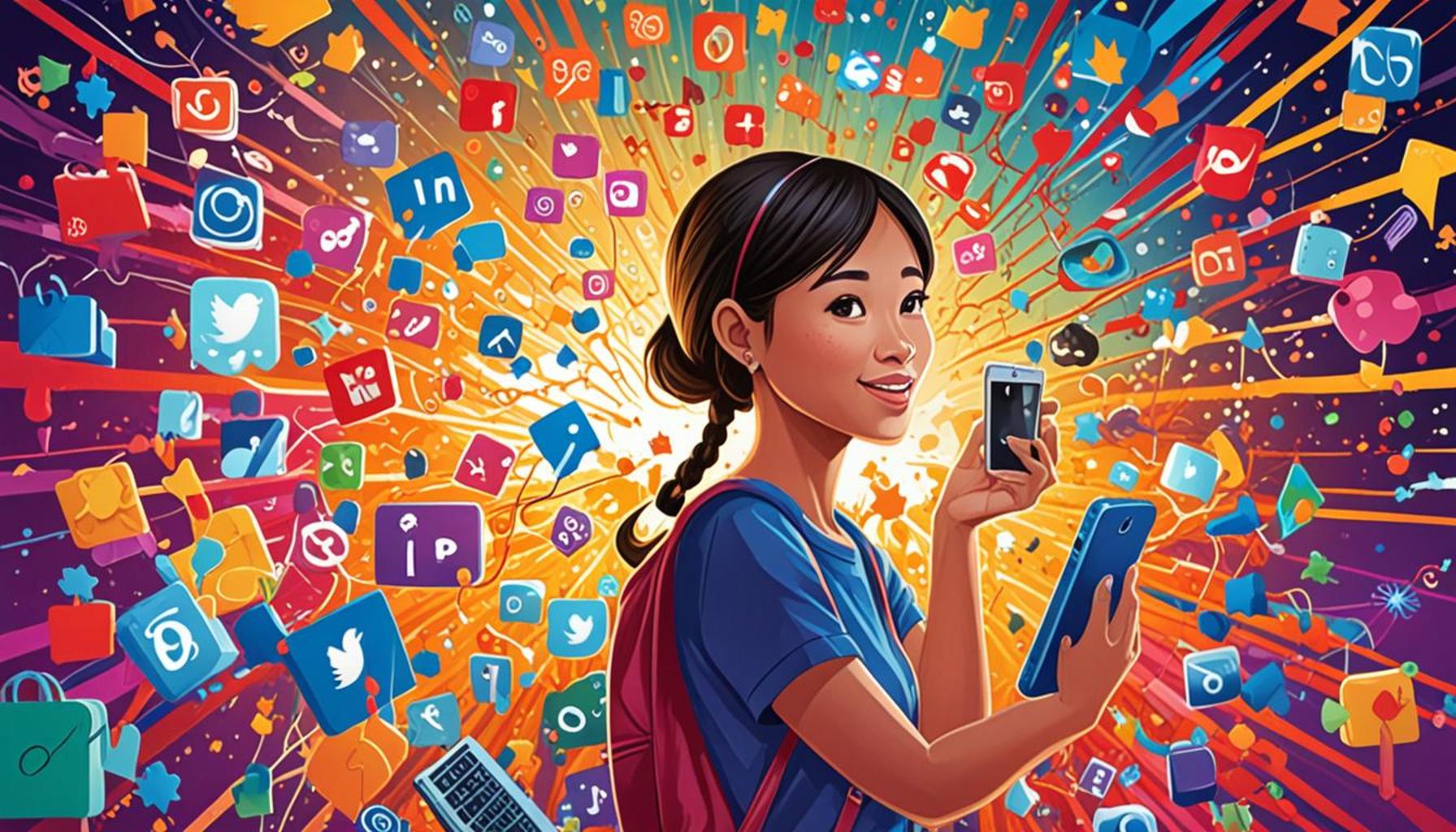
As social media platforms continue to evolve, they profoundly reshape consumer behavior in the Philippines. Particularly among the youth, who are the most active users, social media has become a vital channel for discovering products, reading reviews, and sharing experiences. A recent study indicates that nearly 70% of Filipino consumers rely on social media for shopping insights. This figure is a testament to the shifting dynamics in the way products are marketed and consumed.
Engagement with influencers significantly amplifies this effect. Influencer marketing leverages the trust that followers have, creating a ripple effect in purchasing decisions. When a local influencer showcases a product, their audience sees a relatable figure endorsing it, which often leads to immediate action, such as likes or shares, translating to increased sales. This is particularly noticeable in the beauty, fashion, and food industries, where consumers often share their experiences on social media channels, creating a vibrant community-driven marketing landscape that benefits brands.
The interplay of social media engagement and consumer decisions also brings forth a growing trend of peer recommendations. Filipinos are known for their strong sense of community; hence word-of-mouth via social platforms can substantially boost a product’s visibility. Moreover, with mobile internet access skyrocketing, brands are using targeted ads and promotions tailored to specific demographics based on social media interactions, allowing for more effective marketing strategies.
| Category | Advantages |
|---|---|
| Influencer Marketing | Utilizes trust and relatability to drive sales from audiences. |
| Engagement Strategies | Creates a community-driven approach enhancing brand loyalty. |
Furthermore, the real-time feedback available on these platforms allows brands to make swift adaptations to their strategies, ensuring alignment with consumer preferences. This dynamic reinforces the notion that social media is not only a tool for connection but also a powerful driver of economic growth and behavioral change among the Filipino populace. As we delve deeper into this discourse, the significance of social media in shaping market trends cannot be overstated, prompting both businesses and consumers to adapt continually.
CHECK OUT: Click here to explore more
Engagement and Consumer Loyalty
With the remarkable growth of social media in the Philippines, particularly among the youth, the relationship between brands and consumers has transitioned from simple transactions to active engagement. Engaging content has become a cornerstone of effective social media strategies, fostering a sense of community among followers. By leveraging interactive elements such as polls, live Q&A sessions, and user-generated content, brands can build more profound connections with their audience.
Building Communities Through Engagement
In the Filipino context, where community ties run deep, social media serves as a platform for consumers to connect with brands on a personal level. By creating spaces for dialogue, brands can respond to consumer inquiries, share behind-the-scenes content, and even solicit feedback on new product ideas. For example, a local skincare brand could run a campaign inviting followers to share their skincare routines, thereby encouraging participation and generating a sense of belonging among the audience.
- Real-Time Feedback: Brands that actively monitor and respond to consumer comments can show that they value customer opinions, enhancing loyalty.
- User-Generated Content: Encouraging consumers to share their experiences with products can create an authentic narrative, further attracting potential buyers.
- Community Engagement Events: Organizing online events or giveaways fosters interaction and enhances brand visibility among prospective customers.
The Shift Towards Ethical Consumption
The rise of socially conscious consumers in the Philippines has also influenced buying behavior. As social media amplifies discussions on issues such as sustainability and fair trade, Filipino consumers increasingly seek brands that align with their values. When businesses demonstrate commitment to these ethical concerns, it can significantly sway consumer choices.
Many local brands have successfully adopted this approach by spotlighting their sustainable practices in their social media campaigns. For instance, a Filipino clothing brand using recycled materials or advocating for local artisans can appeal to consumers who prioritize ethical consumption. This facet highlights how social media not only impacts consumer behavior but also helps shape values within the marketplace.
The Role of Data Analytics in Consumer Insight
As the internet landscape in the Philippines evolves, the integration of data analytics into social media marketing has enabled brands to glean valuable insights into consumer preferences and trends. Companies now have access to sophisticated tools that track engagement metrics and audience behavior on platforms. This data helps brands tailor their strategies more effectively and predict future purchasing behaviors.
These analytics provide a clearer picture of what content resonates with consumers, enabling brands to devise campaigns that speak to their target audience. For example, by analyzing which posts perform best, a company can refine its messaging, use the right visuals, and optimize posting times. Such strategies ensure that brands remain relevant and connected to their audience, ultimately driving conversions and enhancing brand loyalty.
As social media continues to shape the dynamics of consumer engagement in the Philippines, understanding these patterns offers brands the opportunity to adapt and grow within this digital-first landscape. Brands that are attentive to consumer sentiments, ethical considerations, and engagement practices find themselves better positioned to thrive in a highly competitive environment.
ADDITIONAL INSIGHTS: Expand your understanding here
Conclusion
The influence of social media on consumer behavior in the Philippines is undeniable and multifaceted. As we have explored, the transition from passive consumption to active engagement signifies a profound shift in how Filipino consumers interact with brands. This dynamic interaction leverages community connections, encouraging brands to seek meaningful dialogues and foster loyalty that transcends simple transactions.
Moreover, the emerging trend of ethical consumption underscores the importance of values in purchasing decisions. As Filipino consumers become more attuned to issues such as sustainability and social responsibility, brands that align themselves with these principles not only gain trust but can significantly enhance their market presence. The integration of data analytics also provides brands with critical insights that inform their marketing strategies, enabling them to cater more adeptly to consumer needs and preferences.
In light of these trends, it is clear that businesses operating in the Philippines must not only harness the power of social media but also adapt to the evolving landscape of consumer expectations. By embracing engagement, prioritizing ethical practices, and utilizing data-driven insights, brands can thrive amidst competition and cultivate long-lasting relationships with their audience.
As the digital landscape continues to evolve, further research into the specific nuances of social media’s role in shaping consumer behavior will be essential. This exploration can reveal deeper insights and strategies, ultimately guiding brands toward an even more significant impact in the vibrant market of the Philippines.

Linda Carter
Linda Carter is a writer and financial expert specializing in personal finance and financial planning. With extensive experience helping individuals achieve financial stability and make informed decisions, Linda shares her knowledge on the our platform. Her goal is to empower readers with practical advice and strategies for financial success.